Branded team clothing: from T-shirts to softshell
Compare six branded team garments, from T-shirts and polos to sweatshirts, vests and softshell. Choose the fabric, fit and logo placement.
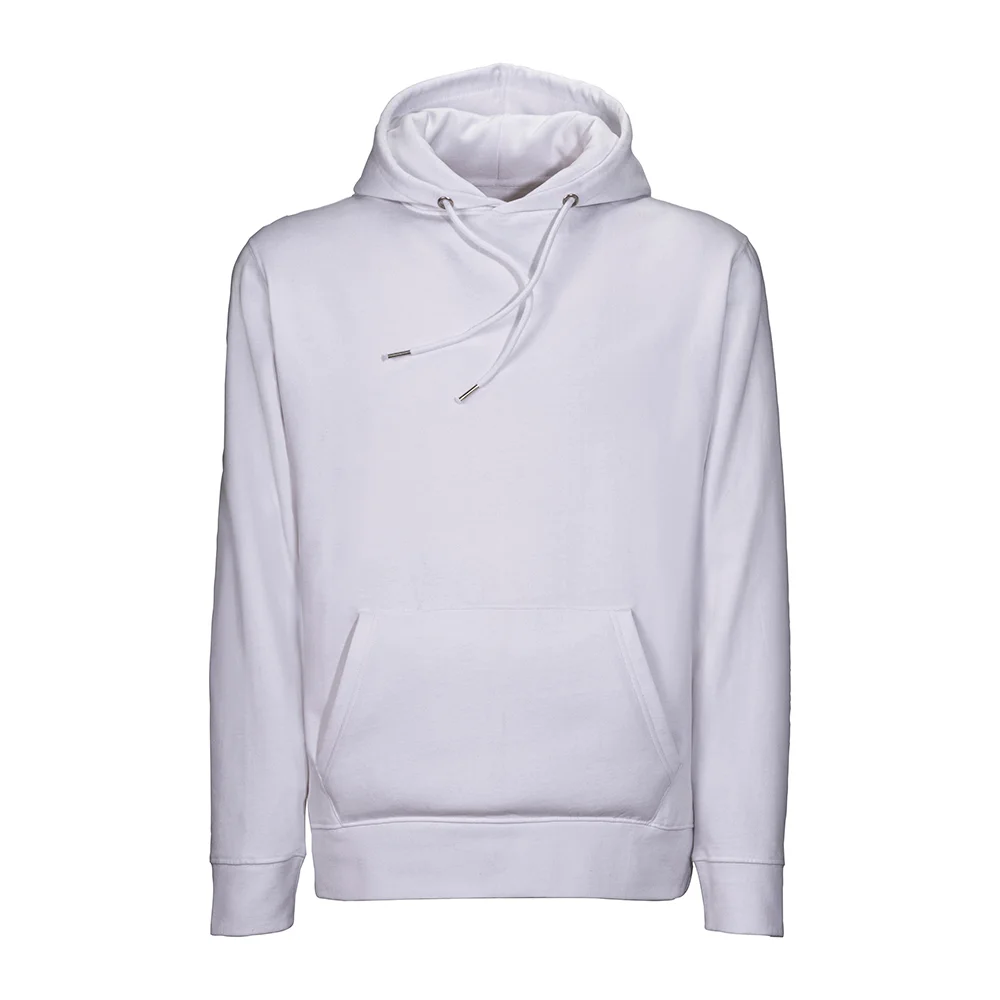
Branded team clothing earns its place when people reach for it themselves. The cut, feel of the fabric and intended use all matter: an office day, a customer visit, a trade show or time spent outdoors. When choosing garments made with recycled materials, look at the stated composition and fabric weight as well as the colour.
We have selected six unisex styles for comparison: a T-shirt, a polo, a hoodie, a half-zip sweatshirt, a microfleece vest and a softshell jacket. They can form a single shared team garment or a coordinated set of layers. Once the clothing and its purpose are clear, we can choose the logo placement and a suitable printing or embroidery method.
Branded team clothing should fit the working day
Start with where the garment will be worn and how often. A T-shirt for a one-day event can carry a large shared graphic. An everyday polo or sweatshirt may work better with a small chest logo, a sleeve detail or tone-on-tone embroidery. The size and position of the artwork influence how the garment feels and where someone wants to wear it.
An office team might use a T-shirt and a sweatshirt. A polo can provide a common starting point for people who meet customers. For a team moving between indoor and outdoor spaces, a vest or an outer jacket offers another option. The logo can be different sizes on different garments while the colour and placement keep the team recognisable.
Before ordering for everyone, consider fit and sizes. The same size letter does not guarantee the same fit across styles. Compare the chosen garment's size chart with clothing already in use and collect the size breakdown from the people who will wear it. If new employees will join later, include your likely repeat-order needs in the brief.
Six garments and their fabrics
Fabric weight is given in grams per square metre, or g/m². It is useful when comparing fabrics for a similar purpose, alongside the construction, cut and finish. A light T-shirt and a heavier brushed sweatshirt serve different roles in a team's wardrobe.
| Garment and fabric weight | Composition |
|---|---|
| Unisex T-shirt, 145 g/m² | 60% recycled cotton, 39% recycled polyester, 1% other fibres |
| Piqué polo, 200 g/m² | 60% recycled cotton, 39% recycled polyester, 1% other fibres |
| Hoodie, 280 g/m² | 60% recycled cotton, 39% recycled polyester, 1% other fibres |
| Half-zip sweatshirt, 280 g/m² | 60% recycled cotton, 39% recycled polyester, 1% other fibres |
| Microfleece vest, 240 g/m² | Recycled polyester |
| Softshell jacket, 280 g/m² | 98% recycled polyester, 2% elastane |
T-shirt or polo: two different starting points
The 145 g/m² T-shirt has a single-jersey fabric, a reinforced neckline and side seams. It provides a starting point for a simple team shirt or an event design. We can discuss placing the logo or a larger graphic on the front or back.
The 200 g/m² polo uses piqué fabric. It has two matching buttons, a reinforced neckline and side slits. A polo creates a different look from a T-shirt even though the fibre percentages are the same. A small chest decoration could suit reception, sales or service teams.
Hoodie or half-zip sweatshirt
Both sweatshirt styles use 280 g/m² fabric with a brushed interior. The hoodie has a double-layer hood, metal-tipped drawcords and a large kangaroo pocket. The half-zip style has a ribbed collar, cuffs and bottom hem. The choice depends on how people dress and the look you want for the team.
Plan the logo around pockets, zips and seams. A large back graphic and a small embroidered chest logo need different artwork. A shared garment colour can bring two styles together when people prefer different cuts. This gives the wearer a choice while maintaining a common team identity.
Vest and softshell as additional layers
The microfleece vest has a front zip, two side pockets, a chest pocket for decoration and an anti-pilling treatment. A sleeveless garment offers an extra layer without a full jacket. The current model description specifies recycled polyester; it does not give a separate percentage breakdown for this style.
The softshell fabric includes 2% elastane alongside recycled polyester. The jacket has an adjustable hood, adjustable hook-and-loop cuffs, a chest pocket and two zipped side pockets. If the intended use requires a particular weather or protective performance, we confirm the relevant specification for the exact model before selection.
Read the composition and the scope of GRS
The cotton-blend T-shirt, polo and sweatshirts in this comparison have a 60/39/1 composition. The softshell has a 98/2 composition. These figures describe the fabric and help you identify the material being ordered. Details such as zips, drawcords, buttons and added embroidery can be checked separately when relevant to your requirements.
The model descriptions refer to GRS-certified fabric or recycled polyester. Textile Exchange's explanation of the Global Recycled Standard covers verification of recycled materials and their traceability through the supply chain. The standard also includes requirements related to processing, chemicals, and social and environmental conditions.
If your company's purchasing brief requires a specific certificate or material document, include it in the enquiry. The document and its scope should match the selected model and order. For environmental communications, use the actual composition and an evidenced property. Carbon-footprint percentages need a separate model-specific basis; we do not assign a carbon-saving figure to these garments here.
Logo placement: print or embroidery?
The choice starts with the artwork, its intended size and the garment surface. A T-shirt may suit a larger printed graphic, while a polo or sweatshirt can carry a discreet chest decoration. Small text, fine lines and colour gradients need a method that keeps the design legible at the chosen size.
Depending on the garment, available methods include textile screen printing, DTF printing and embroidery. We choose the method for the half-zip and outer layers against the individual model's options. Send a vector file where possible and tell us whether you want a single-colour logo or a full-colour design. This makes the alternatives easier to compare.
Construction matters too. A pocket, zip or seam can determine where artwork fits. When ordering different garments together, agree the placements as a set: a coordinated appearance can use the same logo in different sizes and with different decoration methods.
Put together your team's clothing brief
A clear brief helps us prepare a specific quotation. Send us:
- the intended use and preferred garment styles;
- the quantity and size breakdown for each style;
- the garment colours, logo file and preferred placement;
- your budget, required arrival date and delivery location;
- any material or certification requirement relevant to the order.
The final price depends on the style, quantity, decoration and packaging. Colour and size availability, together with the delivery time, are confirmed in the quotation. For new-employee clothing, tell us what spare stock or repeat orders you expect to need.
Browse Meenevabrik's product selection or send us your team's brief. We will help select the garments, fit the logo to them and agree the models and sizes before you confirm the order.